Why Choosing a Cheap Agent Could Cost You Thousands

Selling a home is one of the biggest financial decisions most homeowners will ever make. Naturally, when a property sits on the market longer than expected, it can quickly become frustrating and stressful.
Many sellers assume the problem is simply a slow market or lack of buyers. In reality, homes usually fail to sell because of a combination of strategy, pricing, presentation and buyer perception.
The good news is that most of these issues can be corrected.
If your home has been on the market longer than expected, understanding the common reasons properties struggle to sell can help you reset the strategy and move forward with confidence.
Here are seven of the most common reasons a house doesn’t sell and what you can do about it.
Pricing is the single most important factor influencing whether a property sells.
Many sellers understandably want to achieve the highest possible price, especially if neighbouring homes have sold well in the past. However, buyers focus on current comparable sales rather than historical highs or seller expectations.
When a property is priced too high from the beginning it often:
Buyers today are extremely well informed. With online property platforms and suburb sales data readily available, they can quickly identify listings that appear overpriced.
What to do
The most effective solution is to reassess the pricing strategy using recent comparable sales and current market conditions.
Homes that are priced realistically from the beginning often generate stronger buyer competition and may ultimately achieve a better sale result than those that start too high.
Before adjusting your pricing, it is important to understand what your property is worth in the current market. You can read our guide on How Much Is My House Worth in Today’s Market to better understand how price expectations are determined.

First impressions matter more than ever in today’s market.
Most buyers will see your home online before deciding whether to attend an inspection. If the presentation does not immediately capture their attention, they may simply move on to another property.
Common presentation issues include:
Buyers want to imagine themselves living in the home. If the property feels neglected or overly personalised, that emotional connection can be lost.
What to do
Improving presentation can dramatically increase buyer interest.
Consider:
Small improvements can make a significant difference to buyer perception and the final sale outcome.
You can also learn more about improvements that influence buyers in our article What Features Add the Most Value to Your Property.
Even a well priced and well presented property can struggle to sell if the marketing campaign does not reach the right audience.
Simply listing a property online and waiting for enquiries is no longer enough.
Effective property marketing should include:
Without strong exposure, potential buyers may never discover the property.
What to do
Review the marketing strategy carefully. A comprehensive campaign increases visibility and can attract a larger pool of buyers, improving the chances of receiving strong offers.
If you are preparing to relaunch your property, our guide How to Sell Your Home Faster in a Changing Market explains strategies that help generate stronger buyer interest.
Not all real estate agents approach a sale in the same way.
Some agents rely heavily on listing volume rather than carefully managing each campaign. Others may lack strong negotiation skills or a clear marketing plan.
When an agent does not actively drive buyer interest, the property can sit quietly on the market without building the momentum required to secure offers.
What to do
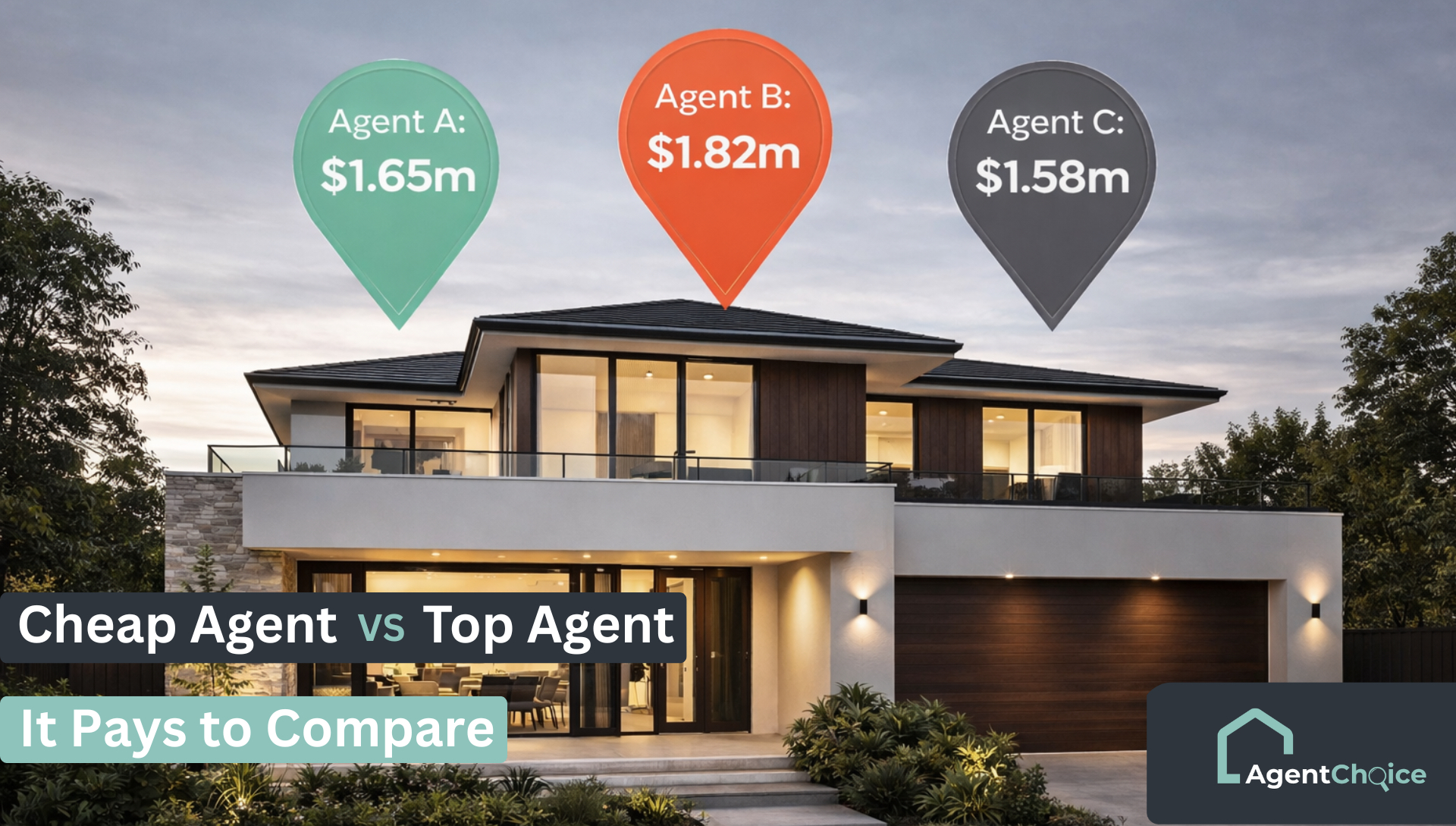
If a property has been listed for an extended period without meaningful interest, it may be worth reassessing the agent strategy.
Comparing the approach, experience and recent results of multiple agents can provide valuable insight into how your campaign could be improved.

While homes sell in every market cycle, timing can influence how quickly a property attracts buyers.
If a large number of similar properties are listed at the same time, buyers have more options and may take longer to commit.
Seasonal factors can also influence activity. For example:
What to do
Understanding local supply and demand levels is important. A good agent will assess competing listings and recommend a campaign strategy that maximises buyer attention.
For broader insights into market conditions, see our Australia’s Property Market Outlook for 2026.
Even if a home is attractive, buyers compare it against other listings in the same price range.
If competing properties appear to offer more value such as better renovations, larger land size or a more desirable location buyers may favour those alternatives.
Buyer perception plays a powerful role in property decisions.
What to do
Evaluate your home against competing listings. If nearby homes offer stronger value propositions, adjusting price or improving presentation may help reposition your property more competitively.
When a property remains on the market for an extended period, buyers may begin to question why it hasn’t sold.
This is often referred to as a stale listing.
Even if the home itself is appealing, buyers may assume something is wrong with it simply because it has been available for too long.
What to do
Sometimes refreshing the campaign can reignite buyer interest.
This might involve:
A fresh perspective can often bring new buyers back into the conversation.
Many of the issues that prevent homes from selling can be traced back to one key decision; choosing the right agent and strategy from the beginning.
At AgentChoice®, we connect homeowners with the top three performing agents in their local area. This allows sellers to compare different approaches, marketing strategies and track records before making a decision.
By seeing how multiple agents would position your property in the market, you can choose the strategy that gives you the strongest chance of achieving a successful sale.
When a home struggles to sell, it is rarely due to a single factor. Pricing, presentation, marketing and strategy all work together to influence buyer behaviour.
The important thing to remember is that most issues can be addressed with the right approach.
Understanding what buyers expect, positioning your home competitively, and working with experienced professionals can significantly improve your chances of securing a successful sale.
If you are considering selling or want to better understand where your property sits in today’s market, starting with accurate information and expert guidance can make all the difference.

Before making any decisions, it helps to understand:
You can start by requesting a Free Property Report from AgentChoice, which includes price insights, suburb trends and recent comparable sales to help you plan your next move with confidence.