7 Reasons Your House Isn’t Selling in Today’s Market

When most people think about selling their home, they imagine a familiar process. The property goes live online, professional photos are taken, a signboard goes up in front of the house, and buyers attend open inspections before offers begin to arrive.
However, not every property sale happens this way.
In many cases, homes are sold without ever appearing on real estate websites. These transactions are known as off-market sales, and while they may seem unusual to many homeowners, they are actually a common strategy used by experienced agents in certain situations.
But why would someone sell their home without advertising it to the entire market? And more importantly, is it the right strategy for you?
Understanding how off-market sales work can help homeowners make a more informed decision when preparing to sell their property.
An off-market property sale occurs when a home is sold privately without being publicly advertised on major property platforms.
This means the property is not listed online, there may be no public open inspections, and often there is little or no public marketing.
Instead, the real estate agent will typically approach qualified buyers directly. These buyers are usually already known to the agent and may include:
• Buyers who previously missed out on similar homes
• Buyers currently searching in the same suburb or price range
• Investors or clients within the agent’s private buyer database
• Buyers who have specifically asked the agent to contact them if a suitable property becomes available
Because the agent already knows these buyers are actively looking, the property can sometimes sell quickly without needing a full marketing campaign.

While a traditional public campaign is the most common way to sell a property, there are several reasons why some homeowners choose the off-market route.
Privacy and Discretion
For some sellers, privacy is very important.
They may not want their home, photos or address publicly displayed across the internet. This can be particularly relevant for public figures, high-profile business owners, families going through personal changes such as divorce, or sellers who simply prefer a more discreet process.
Selling off-market allows homeowners to maintain a higher level of privacy throughout the sale.
Testing the Market
In some cases, homeowners are unsure whether they want to commit to selling immediately.
An off-market campaign allows the agent to test buyer interest quietly. If a strong offer is received, the seller may choose to accept it without launching a full campaign.
If the offers are not strong enough, the property can still be launched publicly later.
Convenience and Speed
A traditional sales campaign usually runs for several weeks and involves preparing the property, scheduling inspections and coordinating marketing.
Off-market sales can sometimes move faster because the agent already has a pool of ready buyers.
This approach can appeal to sellers who need to sell quickly, want to avoid frequent open inspections, or prefer a simpler process with fewer disruptions.
Saving on Marketing Costs
Public property campaigns can involve various marketing expenses including professional photography, online listing fees, print advertising, brochures and signboards, and social media promotions.
While these marketing tools can significantly increase exposure, they also come with upfront costs.
An off-market sale may reduce some of these expenses, particularly if the agent already has suitable buyers available.
Off-market sales are not only appealing to sellers. Many buyers actively look for these opportunities as well.
In competitive markets, buyers often face strong competition for publicly listed homes. Multiple buyers attending inspections can lead to intense bidding situations.
Off-market opportunities may provide buyers with early access to properties before they reach the wider market, less competition from other buyers, and a more private negotiation process.
For buyers who have been searching for some time, an off-market opportunity can feel like gaining access to properties that others may never see.
While off-market sales have certain advantages, they also come with potential downsides that sellers should carefully consider.
Limited Buyer Exposure
One of the biggest risks is reduced exposure.
When a property is publicly advertised, it can be seen by thousands of potential buyers online. This larger pool of buyers can often lead to stronger competition.
More competition can sometimes result in higher sale prices.
When a property is sold privately to a smaller group of buyers, the seller may miss the opportunity to attract additional buyers who might have been willing to pay more.
Reduced Competitive Pressure
Public campaigns often create a sense of urgency among buyers.
When buyers see other interested parties at open inspections or hear about multiple offers, they may increase their offers in order to secure the property.
Off-market sales do not always generate the same level of competitive pressure.
Risk of Underselling
Because fewer buyers are exposed to the property, there is always the possibility that the seller may accept an offer without knowing whether a higher price could have been achieved through a broader campaign.
This is why it is important for sellers to receive honest advice from experienced agents about the most suitable strategy.

Despite the potential risks, off-market sales can work well in certain situations.
They may be suitable when privacy is a priority, the property appeals to a very specific type of buyer, the seller prefers a quick and quiet transaction, the agent already has strong buyer interest, or the property may not yet be ready for a full public campaign.
In some cases, agents may initially introduce the property to a few buyers privately before deciding whether to proceed with a full public campaign.
Regardless of whether a property is sold on-market or off-market, the quality of the agent plays a major role in the outcome.
Experienced agents typically have strong buyer databases, established networks of active buyers, deep knowledge of the local market, and the ability to advise on the best sales strategy.
The right agent will carefully assess whether an off-market approach is likely to achieve the best outcome for the seller.

Choosing the right real estate agent is one of the most important decisions when selling your home. This is where Agent Choice can assist.
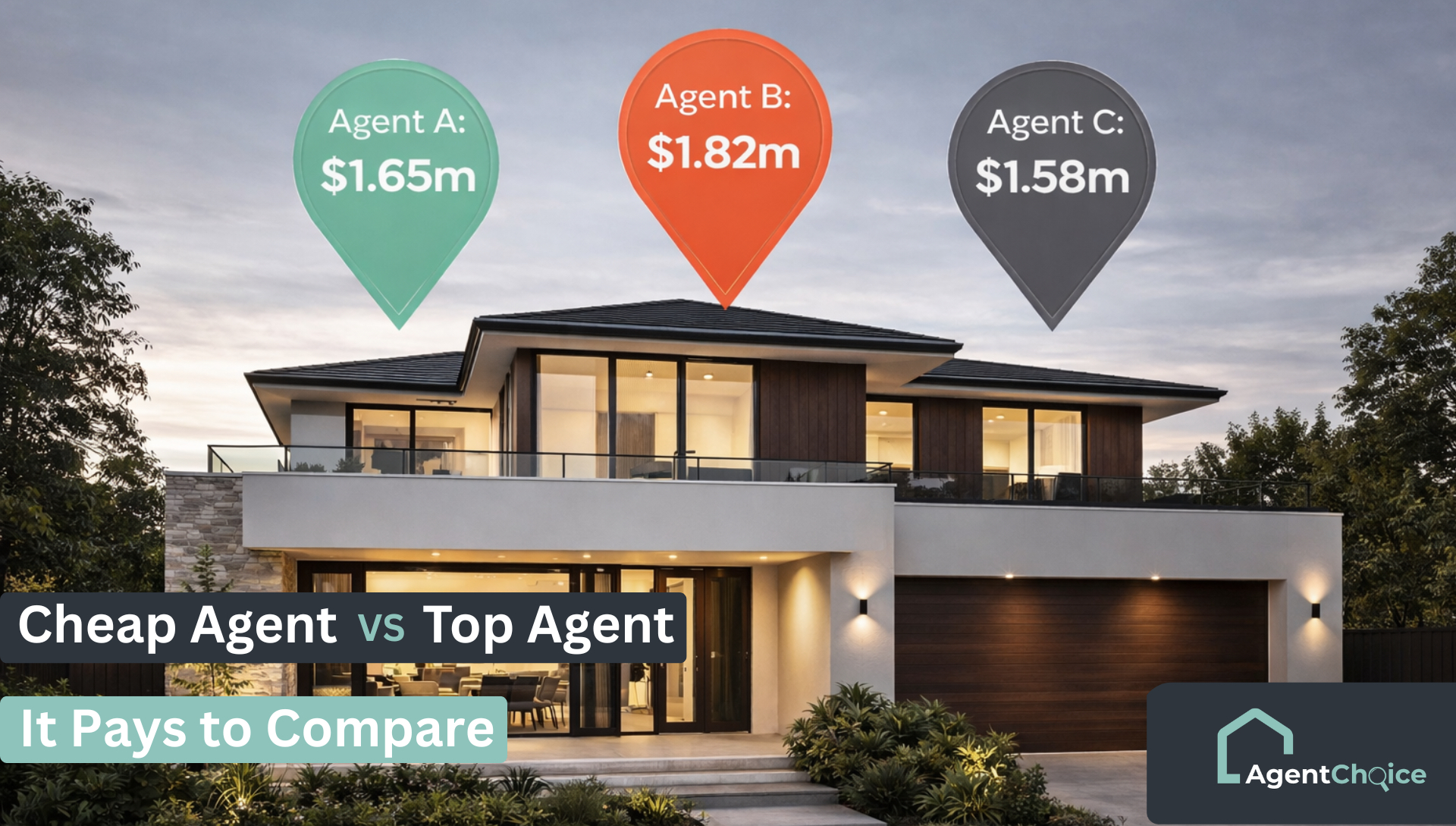
AgentChoice®, connects homeowners with the top three performing real estate agents in their local area, allowing sellers to compare their experience, strategy and approach before making a decision.
This helps homeowners gain expert advice on whether an off-market sale or a full public campaign would be the best strategy for their property.
Homeowners who sell through Agent Choice may also receive a cashback from the agent’s commission after the successful sale, helping them save money while still working with high performing agents.
Final Thoughts
Off-market sales are a fascinating part of the real estate industry and can be an effective strategy in the right circumstances. They offer privacy, convenience and sometimes faster transactions.
However, they also come with trade-offs, particularly when it comes to buyer exposure and competitive pressure.
For many sellers, the key decision is not simply whether to sell on-market or off-market, but rather choosing the right agent who understands when each strategy works best.
By speaking with experienced agents and understanding the options available, homeowners can choose the selling approach that aligns best with their goals and circumstances.
If you are considering selling your home, comparing experienced agents in your local area can help ensure you receive the right advice and the right strategy for your property.